Loading...
Serving Hemet, CA and surrounding areas. (951) 430-8634
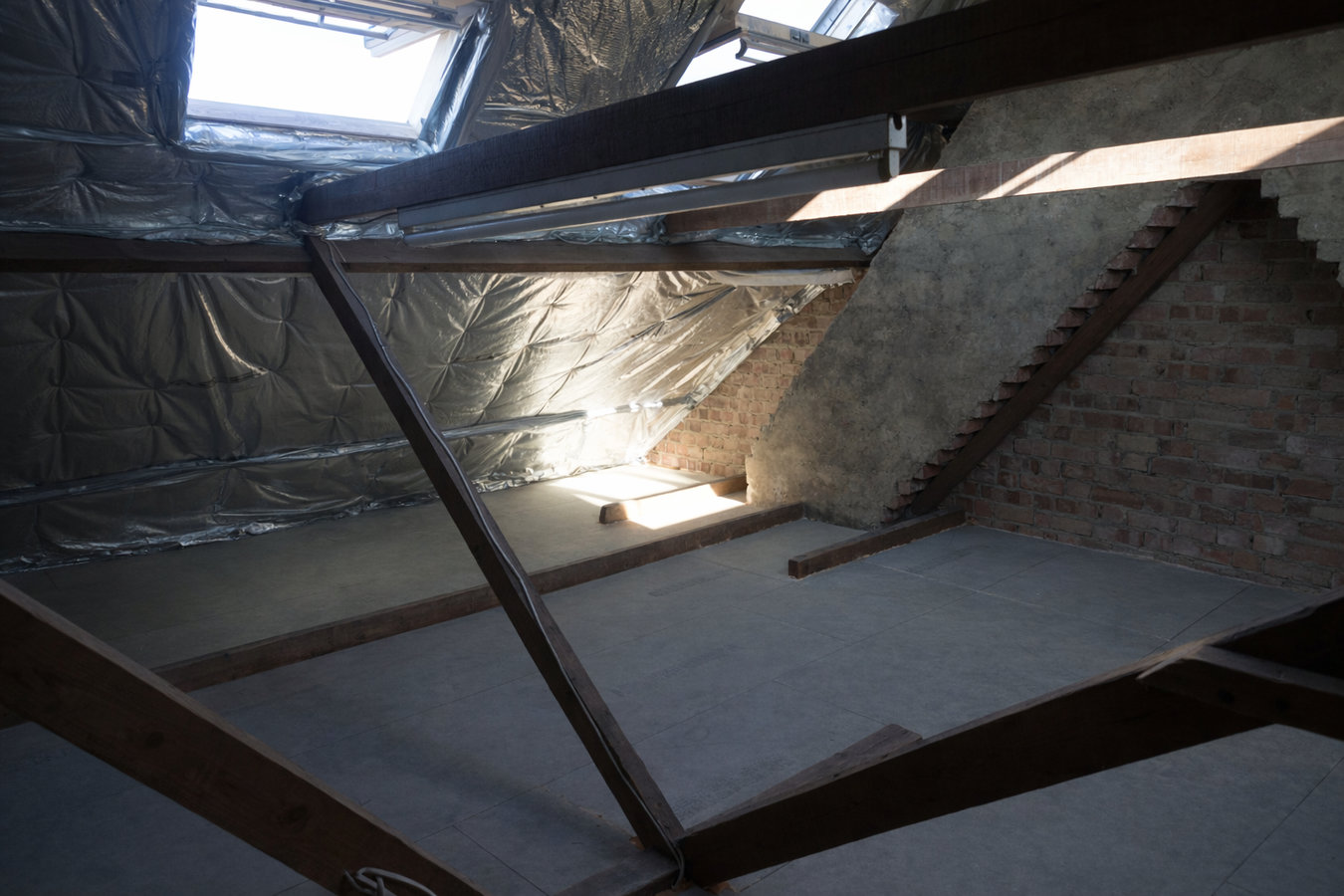
A properly insulated attic stops Hemet's summer heat from radiating into your living space, so your air conditioner runs less and your home stays comfortable through even the hottest months.
Attic insulation in Hemet creates a thermal barrier between your living space and the outdoor heat - most installations are completed in a single day with no need to vacate your home, and the difference in comfort is noticeable within the first full summer.
Hemet regularly sees temperatures above 105 degrees from June through September. An under-insulated attic in this climate acts like a slow oven above your ceiling, radiating heat downward long after the sun goes down. The U.S. Department of Energy recommends R-38 to R-60 for attics in this climate zone - most homes in Hemet's older neighborhoods fall well short of that range.
Attic insulation works best when it is paired with air sealing. Our crews seal gaps around lights, pipes, and wiring before adding insulation material, because insulation alone does not stop air from moving through those openings. If your home would benefit from a broader treatment, our blown-in insulation and attic air sealing services can be combined into a single project.
If your ceilings or upstairs rooms still feel warm well past sunset after a hot Hemet day, your attic is storing heat and slowly releasing it into your home. A properly insulated attic stops that heat reservoir effect and lets your home cool down naturally in the evening.
Compare your June through September bills to what you pay in spring or fall. If the difference is dramatic and your habits have not changed, thin or degraded attic insulation is likely forcing your AC to run harder than it should against Hemet's extreme temperatures.
Roof rats and squirrels are common in Hemet's residential neighborhoods and can shred and contaminate attic insulation. Scratching sounds above the ceiling, droppings near the hatch, or chewed material are all signs the insulation may already be compromised and needs assessment.
Homes in Hemet's older neighborhoods were insulated to standards well below today's recommendations. If you can see the ceiling joists clearly when you look into your attic, the insulation between them has settled too thin to be effective in this climate.
Hemet Insulation installs blown-in loose-fill and fiberglass batt insulation depending on what your attic layout requires. For most existing Hemet homes - especially those with irregular framing or previous pest activity - blown-in is the preferred choice because it fills gaps and odd-shaped spaces without tearing out drywall.
Every attic job begins with an air sealing pass. Our crew seals gaps around electrical boxes, plumbing penetrations, recessed lights, and attic hatches before any insulation material goes in. Skipping this step leaves the most common energy loss pathways open, and no amount of additional insulation compensates for an unsealed attic floor.
For homeowners dealing with old, pest-damaged, or heavily degraded material, we also provide complete insulation removal before re-insulation. If you are not sure what is up there, blown-in insulation can sometimes be added directly over existing material - your technician will confirm during the assessment whether that is appropriate for your attic.
Best for existing attics with complex layouts - fills every gap and settles into irregular spaces without any demolition.
A cost-effective option for attics with clear, accessible joist bays and no existing material to work around.
Every attic job includes sealing gaps around lights, pipes, and wiring before any insulation goes in - the step most contractors skip.
Full removal of old, pest-contaminated, or degraded material before new insulation is installed for a clean, documented result.
Hemet's position in the San Jacinto Valley means the city bakes in inland heat that coastal Southern California never sees. Summer temperatures regularly exceed 100 degrees, and the difference between a well-insulated attic and a poorly insulated one is the difference between an AC system that manages the heat and one that never catches up. The U.S. Department of Energy recommends attic insulation in the R-38 to R-60 range for this climate zone - most pre-2000 Hemet homes are significantly below that.
Pest activity is another factor specific to this area. Roof rats and squirrels are documented problems throughout Hemet and the surrounding Inland Empire, and they can shred and contaminate attic insulation over time. We assess every attic before starting work so you know exactly what you are dealing with before any new material goes in.
We serve homeowners throughout the area, including in Beaumont and Moreno Valley, where attic insulation challenges driven by Inland Empire heat are the same as in Hemet.
We respond within 1 business day. You will get a call from our office asking a few basic questions - the size of your home, whether you have had any pest activity, and which areas you want assessed.
A technician goes into the attic, checks existing insulation depth and condition, notes any air gaps or pest damage, and takes measurements. You receive a written estimate within a day or two. There is no obligation to move forward.
Clear the area around your attic hatch. You do not need to leave your home. The crew seals air gaps first, then installs the insulation. Most jobs are done in a single day and the crew cleans up before leaving.
Before the crew leaves, they walk you through the finished work - confirming the insulation type, thickness achieved, and areas treated. Written documentation is provided, which is useful for utility rebate applications and future home sales.
We respond within 1 business day. No obligation after the estimate. After you submit, someone from our office will call to schedule a free on-site assessment at no cost to you.
(951) 430-8634Our installers work across the San Jacinto Valley every week and know how these homes handle the heat. Every job is documented from start to finish, so you can see exactly what was installed.
We know Hemet's housing stock - the 1970s and 1980s tract homes, the pest challenges, the summer heat demands. Local references from Riverside County are available on request.
Most insulation contractors skip the air sealing step. We do not. Sealing gaps before adding material is what separates a job that delivers real energy savings from one that delivers mediocre results.
We provide paperwork confirming the type and amount of material installed. This matters if you apply for a Southern California Edison rebate or if a buyer's inspector asks about insulation compliance when you sell.
Southern California Edison offers energy efficiency rebates for qualifying insulation upgrades in Hemet - our crew can help you identify whether your project qualifies. Details are available through SCE's rebates and savings program.
Loose-fill blown-in material that fills irregular attic spaces completely, often the most practical choice for Hemet's older homes.
Learn moreSealing gaps around lights, pipes, and wiring before insulation goes in - the step that determines how much energy savings you actually see.
Learn moreHemet's summer heat season is long - the sooner your attic is properly insulated, the sooner you start saving on cooling costs every month.