Loading...
Serving Hemet, CA and surrounding areas. (951) 430-8634
Hemet Insulation is an experienced local insulation contractor serving Moreno Valley, CA, with air sealing, blown-in insulation, attic insulation, and crawl space services for homes across Sunnymead, Rancho Belago, and the neighborhoods near March Air Reserve Base. We have served the Inland Empire since 2022 and respond to all inquiries within 1 business day.
Most Moreno Valley homes were built between 1980 and 2005, and the insulation and air sealing from that era is now undersized, compressed, and leaking. We find the gaps, seal them, and bring the home up to today's standards in a single visit.
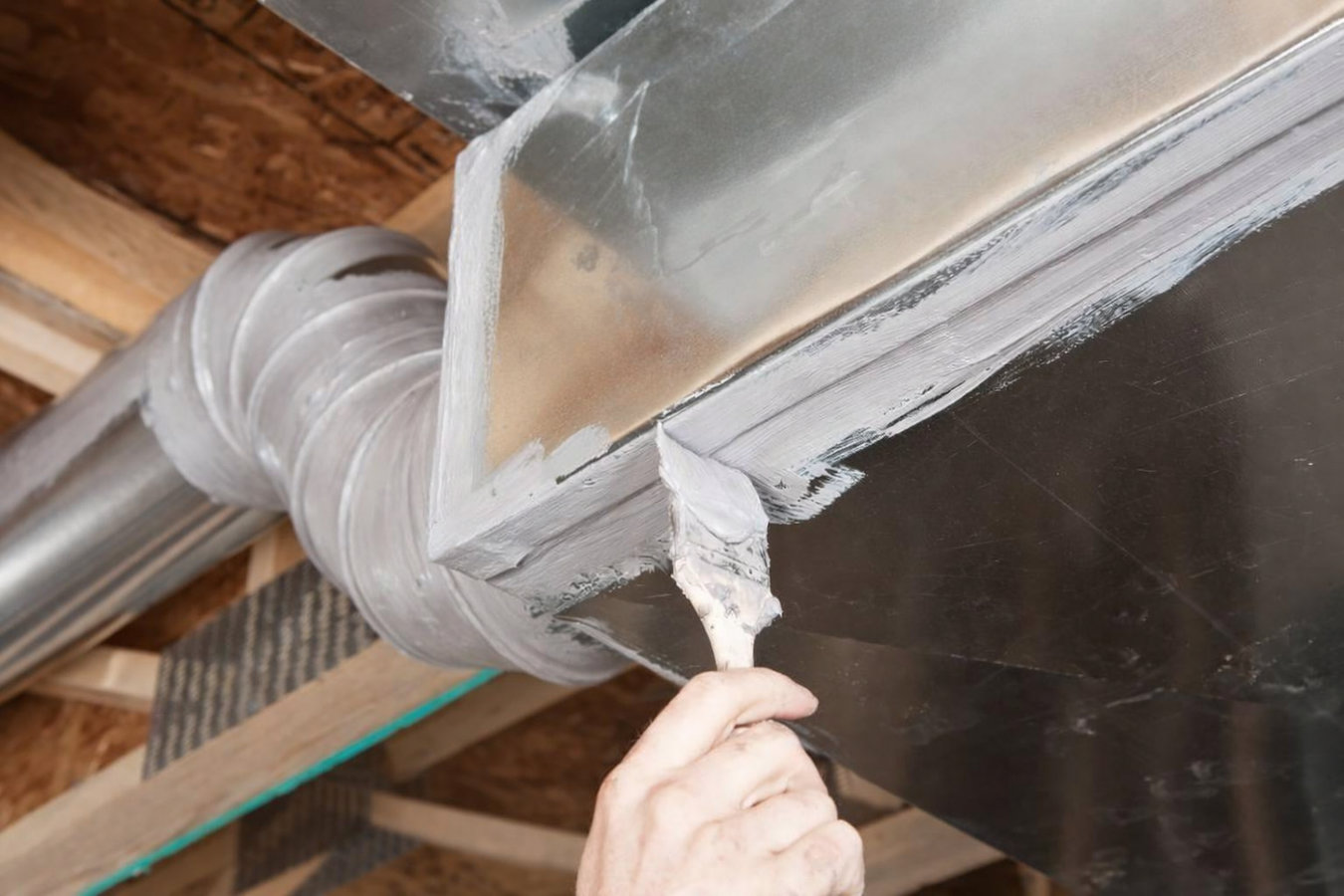
In a city where summer temperatures regularly exceed 100 degrees Fahrenheit, the air gaps in a home's attic floor are not a minor detail. Penetrations around recessed lights, plumbing chases, and top plate gaps allow hot outside air to enter the conditioned living space directly, bypassing insulation entirely. Most Moreno Valley tract homes built between 1985 and 2005 were never air sealed at the attic floor during original construction, and the HVAC system has been paying for that gap ever since. See our air sealing services page to learn how we identify and close those pathways before adding new insulation material.
Blown-in fiberglass or cellulose is the most practical upgrade for Moreno Valley's large inventory of single-story and two-story tract homes. It installs quickly through a standard attic hatch, covers irregular attic floor surfaces, fills around framing members and obstructions, and reaches a consistent target depth across the entire space. For homes that already have compressed or degraded batts from 20 to 30 years of Inland Empire heat cycling, blown-in material over the existing layer is the fastest path to the R-38 standard California Title 24 requires for this climate zone.
Moreno Valley attics in homes built before 2010 are frequently running at half their original rated R-value after years of compression, settling, and UV degradation in spaces that regularly reach 150 degrees Fahrenheit in summer. That thermal load also radiates directly into the living space below if the insulation layer is thin, which is why homes with aging attic insulation often have upstairs rooms that are noticeably harder to cool than downstairs. Bringing the attic up to current depth with properly installed blown-in or batt material makes a measurable difference in comfort during the hottest months.
A portion of Moreno Valley's older housing stock near the western neighborhoods and the Sunnymead corridor has raised foundation sections with accessible crawl spaces. Moreno Valley's clay-heavy soils retain moisture after winter rains, and that moisture migrates upward into the framing and subfloor if no barrier is present. A properly installed vapor barrier under the crawl space floor stops that migration, keeps wood framing dry through the wet season, and prevents the slow-building damage that homeowners often discover only when flooring starts to warp or a musty smell appears.
Santa Ana wind events that affect Moreno Valley each fall and winter push air through attic penetrations with enough force to displace the insulation sitting above them if the pathways are large. Attic-specific air sealing addresses the top plates, attic hatch frame, recessed light canisters, and plumbing and electrical penetrations that account for most of the measured air leakage in inland Southern California homes. Combined with a blown-in insulation top-off, it reduces both the energy load and the dust infiltration that Santa Ana events bring into the home.
Moreno Valley's housing boom happened fast. The city went from a small community to one of the largest cities in Riverside County within two decades, and the majority of its homes were built between 1980 and 2005 to meet the demand of families moving out of Los Angeles and Orange County. Those homes were insulated to the code minimums of their era, which fall well short of today's R-38 requirement for California Climate Zone 10. After 20 to 40 years of Inland Empire heat, the original insulation has compressed and settled further. The gap between what is in these attics and what the California Energy Commission now requires is significant across most of the city's housing stock.
The summer heat in Moreno Valley is a primary driver of that degradation. With temperatures regularly exceeding 100 degrees Fahrenheit and attic air temperatures reaching 140 to 160 degrees Fahrenheit on the worst days, the thermal cycling that materials experience here is more severe than in coastal Southern California cities. Fiberglass batts compress under sustained heat load. Blown-in material settles faster. The binder holding cellulose together breaks down more quickly. A contractor working across the Inland Empire needs to factor that climate reality into recommendations for Moreno Valley homes, not apply a one-size approach from more temperate parts of the region.
The clay soils under most of Moreno Valley add a layer of complexity specific to this geography. Clay expands when wet and contracts when dry, and that seasonal movement puts ongoing stress on foundations, concrete flatwork, and the connections between structural elements. Homes in neighborhoods near the older western corridors often have slight settling or movement in their floor systems that creates new gaps in insulation and vapor barrier coverage over time. Addressing those gaps as part of a comprehensive insulation assessment is something a contractor familiar with Inland Empire soil conditions will catch that a general contractor might miss.
We have served Moreno Valley homeowners since 2022 and work with the City of Moreno Valley Building and Safety Division when project scope requires a permit. Our crew is familiar with the full range of Moreno Valley's housing stock - from the older single-story stucco ranches in the Sunnymead corridor near Alessandro Boulevard to the larger two-story tract homes in Rancho Belago on the east side. Those two ends of the city have different attic configurations, different insulation baselines, and different air sealing challenges, and we scope each job accordingly.
We reach Moreno Valley directly from Hemet via Highway 74 west and then north through Perris, or via the I-215 corridor. The March Air Reserve Base on the western edge of the city is our geographic anchor for the west side; Nason Street and Day Street mark the central corridors we navigate regularly. Homes near Lake Perris State Recreation Area to the south often have slightly higher soil moisture levels that make vapor barrier work more relevant than in the drier neighborhoods farther north.
We also serve Perris, which is directly south of Moreno Valley along the I-215, and Banning, about 20 miles east via Interstate 10.
Call (951) 430-8634 or submit the estimate form on our contact page. We reply to all Moreno Valley inquiries within 1 business day and schedule an inspection time that works with your week.
We visit your home, inspect the attic floor for air leakage pathways and current insulation depth, and check crawl spaces or wall assemblies if relevant. You receive a written estimate that explains what we found, what we recommend, and why - with pricing broken out so you know what each piece of the job costs.
We seal attic penetrations first, then install blown-in material to the correct target depth. Most Moreno Valley jobs are completed in a single day. You do not need to leave home during the work, and we coordinate around your schedule if there are pets or young children in the house.
We check installed insulation depth at multiple points before packing up, clean all equipment and debris from the attic and work areas, and walk you through what was done. We can also point you to available utility rebate programs for insulation upgrades in the Inland Empire on the same visit.
We inspect your Moreno Valley home at no charge, explain exactly what we find, and give you a written estimate you can review without pressure.
(951) 430-8634Moreno Valley is one of the largest cities in Riverside County, with a population of around 210,000 people. It sits in the Inland Empire at approximately 1,600 feet elevation in a broad valley bounded by the San Bernardino Mountains to the north. The city grew rapidly during the 1980s and 1990s as families moved east from Los Angeles and Orange County in search of more affordable housing, and that growth wave left a distinctive stamp on the built environment. According to the city's history, Moreno Valley was incorporated only in 1984, making it a relatively young municipality whose identity was shaped almost entirely by suburban growth rather than organic development over generations.
The Sunnymead area along Alessandro Boulevard and Perris Boulevard represents the older commercial and residential core. The western edge of the city near March Air Reserve Base includes some of the earliest housing in the area, while the eastern neighborhoods around Rancho Belago are newer planned communities from the 2000s with larger homes and more contemporary construction standards. The Moreno Valley Mall on Moreno Beach Drive has been the city's central retail anchor since 1992. Most of the residential fabric is single-family detached stucco homes on modest lots, with a growing logistics and warehouse sector in the industrial corridors.
Moreno Valley borders Riverside to the northwest along the I-215 and SR-60 corridors, and Perris to the south, which shares Moreno Valley's clay soil profile and similar 1980s-to-2000s housing stock.
Spray foam seals gaps and delivers a high R-value in attics, walls, and crawl spaces.
Learn moreProper attic insulation reduces heat gain and keeps energy bills in check year-round.
Learn moreBlown-in insulation fills irregular cavities evenly for consistent thermal coverage.
Learn moreWhole-home insulation services that improve comfort and lower heating and cooling costs.
Learn moreSafe removal of old, damaged, or contaminated insulation before a fresh installation.
Learn moreInsulating the crawl space reduces moisture intrusion and improves floor comfort.
Learn moreWall insulation cuts noise transmission and stabilizes interior temperatures.
Learn moreAir sealing stops drafts at penetrations and joints, improving HVAC efficiency.
Learn moreBasement insulation controls moisture and keeps below-grade spaces usable.
Learn moreClosed-cell foam provides the highest R-value per inch and acts as a vapor barrier.
Learn moreOpen-cell foam expands to fill cavities and provides excellent sound dampening.
Learn moreSealing attic bypasses before insulating dramatically reduces conditioned air loss.
Learn moreA vapor barrier in the crawl space protects structural wood and subfloor materials.
Learn moreProfessional vapor barrier installation keeps ground moisture out of living areas.
Learn moreRetrofit insulation upgrades existing homes without requiring major demolition.
Learn moreCommercial insulation solutions for offices, warehouses, and light industrial buildings.
Learn moreServing these cities and communities.
Hemet Insulation serves homeowners across Moreno Valley, from Sunnymead to Rancho Belago. Call today for a free on-site estimate - we can usually schedule within the week.