Loading...
Serving Hemet, CA and surrounding areas. (951) 430-8634
Hemet Insulation is an experienced local insulation contractor serving Riverside, CA, with home insulation, attic insulation, blown-in insulation, and air sealing for homes across the Wood Streets, Orangecrest, La Sierra, and every neighborhood in between. We have served the Inland Empire since 2022 and respond to all inquiries within 1 business day.
Riverside's housing stock is one of the most varied in Southern California, and the insulation needs here are just as varied. Whether your home dates to the citrus-boom era or was built in the 1990s, the Inland Empire heat has been working against your original insulation for years.
Riverside's century-plus of construction history means a home insulation job here is never routine. A Craftsman bungalow in the Wood Streets has wall cavities and attic geometry that look nothing like a 1990s stucco home in Orangecrest, and the two require different materials and approaches. Our home insulation service covers the full range: attic insulation upgrades, wall cavity dense-pack, crawl space insulation, and vapor barrier work, scoped specifically for what your home actually has and what it needs.
In Riverside, the attic is the single highest-impact insulation upgrade available for most homes. Attic air in this city can reach 150 to 160 degrees Fahrenheit on hot summer days, and that heat radiates directly into the living space below through any insulation layer that is thin, compressed, or damaged. Homes built in Riverside from the 1950s through the 1980s were installed with R-11 to R-19 attic insulation, far below the R-38 that California Title 24 now requires for this climate zone. Bringing attic depth up to current standards is the fastest path to lower summer cooling bills in Riverside.
Blown-in fiberglass or cellulose is the most practical choice for topping off insulation in Riverside's existing homes. It installs through the existing attic hatch without disturbing ceilings or interior finishes, covers irregular framing and obstructions evenly, and reaches consistent depth across the entire attic floor. For homes with original fiberglass batts from the 1960s or 1970s that have compressed and shifted over decades of thermal cycling, a blown-in layer installed over the existing material restores the attic to current R-38 depth in a single day.
Insulation reduces conductive heat transfer, but it does not stop air movement. Every penetration in an attic floor, from recessed light canisters to plumbing chases to top plate gaps, allows hot attic air to infiltrate directly into the living space during a Riverside summer. Sealing those pathways before adding new insulation material is the step most homeowners skip, and it is the reason some homes see limited energy bill reduction after an insulation upgrade. Attic air sealing combined with blown-in insulation is the approach we recommend for Riverside homes where energy performance is the goal.
Some Riverside homes, particularly those built in the 1960s with fiberglass batt insulation in the attic, have material that has compacted, been contaminated by moisture or pests, or been damaged by roof leaks over the years. Old, degraded insulation provides very little actual thermal resistance and can hold odors or mold spores that affect indoor air quality. We vacuum out old material completely, clean the attic surface, and reinstall to current depth so the final result is not limited by what was underneath.
Riverside is the county seat and one of the oldest established cities in Southern California, with homes dating back to the 1870s citrus-era and new construction still going up today. That range of building ages is one of the reasons insulation conditions vary so widely from neighborhood to neighborhood. The Wood Streets near downtown still have homes from the 1910s and 1920s with original wall construction, no cavity insulation, and attic configurations that require custom approaches. The postwar ranch homes built through the 1950s and 1960s on concrete slab foundations were insulated to R-11 minimums that are now well below current code. The 1990s stucco subdivisions in Orangecrest and La Sierra are now 25 to 35 years old and often running their original blown-in material at half its rated R-value after years of attic heat cycling.
The Inland Empire climate accelerates that degradation faster than homeowners expect. Riverside averages around 287 sunny days per year and regularly sees summer highs above 100 degrees Fahrenheit. With no ocean breeze to moderate temperatures, the city sits in a heat pocket that puts sustained thermal stress on every material in the building envelope. Fiberglass batts exposed to attic air temperatures of 150 degrees Fahrenheit for weeks at a time compact measurably over a decade. Cellulose settles. Foam sealants around attic penetrations dry and crack. What looked fine 15 years ago is now performing at a fraction of its rated value.
Santa Ana wind events in fall and winter add another layer of demand specific to Riverside. These hot, dry desert winds move through the Inland Empire with enough force to push outside air through every unsealed gap in the building envelope. Riverside County has seen significant wildfire events tied to Santa Ana conditions, and the smoke infiltration during those events makes air sealing quality a health concern as well as an energy one. A contractor who works regularly in Riverside understands that air sealing is not just about summer cooling bills here; it is also about keeping wildfire smoke and fine particulates outside during the fall wind season.
We have worked on homes across Riverside since 2022, coordinating with the City of Riverside Building and Safety Division on projects where permit requirements apply. Riverside homeowners often ask whether their property needs a permit for insulation work, and the answer depends on scope; standalone attic blown-in work generally does not require one, while projects involving venting or combined HVAC modifications do. We confirm the requirement for every job before scheduling so there are no unexpected delays.
The city's geography informs how we route and schedule. We access the Wood Streets and downtown-area neighborhoods via Highway 60 or the 91 east from Hemet, and we work through the University Avenue and Central Avenue corridors to reach the older mid-city neighborhoods. Orangecrest and La Sierra on the east and west sides of the city, respectively, are large enough that we often schedule multiple homes in those areas on the same day. Mount Rubidoux on the western edge of the city is a useful orientation landmark; if you can see that rocky hill from your street, you are in the neighborhoods where we see the most concentration of original 1950s-era slab homes.
We also serve Corona, just west of Riverside off the 91 freeway, where the housing stock shares many of the same 1980s-to-2000s construction characteristics. When homeowners in either city ask for a referral or are comparing multiple addresses across the county line, we are already familiar with both markets and can schedule efficiently.
Reach out by phone or through our contact form and we will respond within 1 business day. We ask a few questions about your home's age, size, and what you are experiencing - high bills, uneven temperatures, or a specific area of concern.
A technician visits your home, goes into the attic, measures existing insulation depth, identifies air leakage points, and checks any crawl space or wall areas of concern. There is no charge for the assessment and no obligation. We explain what we find in plain terms and give you a written estimate before any work begins.
On the scheduled work day, we seal all attic penetrations with spray foam and caulk before installing blown-in or batt insulation to the target R-value. The homeowner does not need to be present during the work, though we prefer someone to be available at the start and end of the visit.
We remove all equipment and debris from the attic and living areas, clean up any material tracked through the access point, and do a final walkthrough with the homeowner. We confirm the installed depth and R-value and answer any questions about what was done and why.
We serve all of Riverside, CA and respond within 1 business day. No obligation, no pressure.
(951) 430-8634Riverside is the county seat of Riverside County and one of the oldest and most established cities in the Inland Empire, with roots going back to the 1870s citrus industry. The city's approximately 320,000 residents live across neighborhoods that span more than a century of development: early 20th-century Craftsman bungalows and Spanish Colonial Revival homes in the Wood Streets and near the Mission Inn, postwar ranch homes on concrete slabs across the mid-city, and large 1980s-to-2000s stucco subdivisions in Orangecrest to the east and La Sierra to the west. The University of California, Riverside anchors the central part of the city and is one of its largest employers, contributing to a stable, owner-occupied residential market where homeowners invest in long-term maintenance.
The owner-occupancy rate in Riverside runs above 50 percent, which means most residents here have real equity in their homes and a strong interest in keeping systems like insulation and HVAC performing well. The city's housing stock is roughly split: a third of homes were built before 1980, a third during the 1980s-to-2000s suburban expansion, and the remainder more recently. Each tier has different insulation baselines, different air sealing challenges, and different paths to improvement. That diversity is why our team builds a scope specific to each home rather than applying a standard package.
Riverside sits at the geographic center of our service territory. We also serve Moreno Valley to the east and Perris to the south, two cities with housing stock and climate conditions closely related toRiverside's. Homeowners with properties in multiple areas or who are comparing bids across cities are welcome to mention both locations when they reach out.
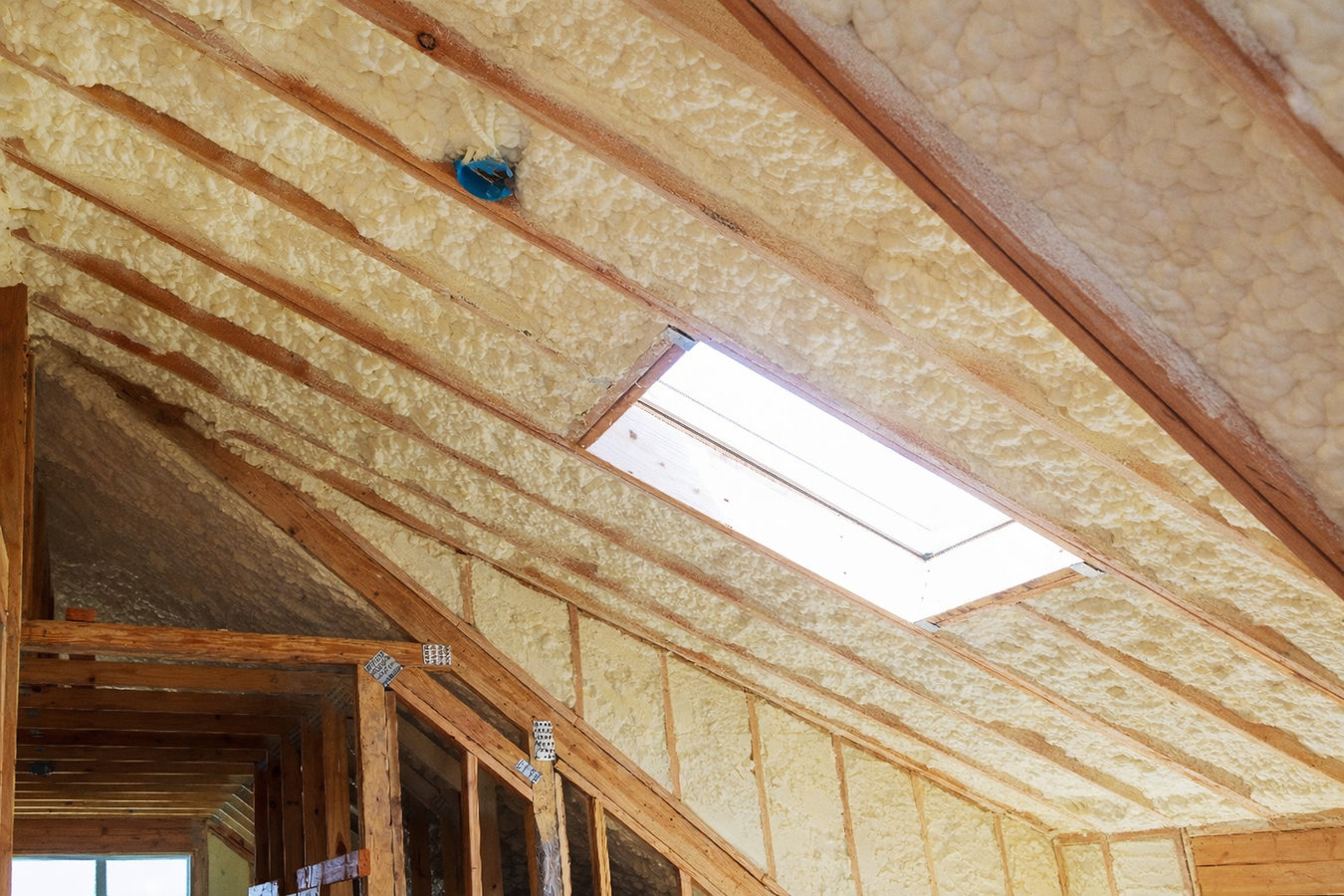
Spray foam seals gaps and delivers a high R-value in attics, walls, and crawl spaces.
Learn moreProper attic insulation reduces heat gain and keeps energy bills in check year-round.
Learn moreBlown-in insulation fills irregular cavities evenly for consistent thermal coverage.
Learn moreWhole-home insulation services that improve comfort and lower heating and cooling costs.
Learn moreSafe removal of old, damaged, or contaminated insulation before a fresh installation.
Learn moreInsulating the crawl space reduces moisture intrusion and improves floor comfort.
Learn moreWall insulation cuts noise transmission and stabilizes interior temperatures.
Learn moreAir sealing stops drafts at penetrations and joints, improving HVAC efficiency.
Learn moreBasement insulation controls moisture and keeps below-grade spaces usable.
Learn moreClosed-cell foam provides the highest R-value per inch and acts as a vapor barrier.
Learn moreOpen-cell foam expands to fill cavities and provides excellent sound dampening.
Learn moreSealing attic bypasses before insulating dramatically reduces conditioned air loss.
Learn moreA vapor barrier in the crawl space protects structural wood and subfloor materials.
Learn moreProfessional vapor barrier installation keeps ground moisture out of living areas.
Learn moreRetrofit insulation upgrades existing homes without requiring major demolition.
Learn moreCommercial insulation solutions for offices, warehouses, and light industrial buildings.
Learn moreServing these cities and communities.
Call or submit a request today. We schedule free on-site estimates across all of Riverside, CA and respond within 1 business day.