Loading...
Serving Hemet, CA and surrounding areas. (951) 430-8634
When Hemet hits 105 degrees, thin or missing wall insulation turns every exterior room into an oven. We fill the gaps, stop the heat, and put money back on your Edison bill.
Wall insulation in Hemet slows the transfer of heat through your exterior walls so your air conditioner can actually keep up - most single-story homes are completed in one day with no need to vacate the property.
In a typical Hemet home built before 1990, the exterior walls are often under-insulated or have original material that has settled and compressed over the decades. When outdoor temperatures hit triple digits, those walls become the main pathway for heat to enter your home. Your cooling system never quite catches up, rooms near exterior walls feel like a different house, and your Southern California Edison bill reflects every degree it fought.
Wall insulation is often most effective when combined with air sealing services, which closes the gaps that let outdoor air bypass the insulation entirely. Together, they are the most direct path to a home that feels genuinely comfortable all summer.
If your air conditioner cycles almost constantly from June through September without ever really catching up, your walls may not be doing their job. A well-insulated home holds cool air much longer, so your system cycles off rather than running all day. Constant running in Hemet's heat is a clear signal that heat is getting in faster than your system can push it out.
If a bedroom or living room near an exterior wall is always a few degrees warmer in summer or colder in winter, that wall likely has little or no insulation. This is especially common in Hemet homes built before the 1990s, where insulation was often installed inconsistently or skipped in certain wall sections. You should not have to close vents or use a space heater to make one room comfortable.
If your Southern California Edison bill has been climbing year over year but your usage habits have not changed, aging or settling wall insulation could be part of the reason. Insulation that was adequate 30 years ago may have compressed or shifted, leaving gaps that did not exist when the home was new. A quick assessment can tell you whether your walls are still performing as they should.
On a hot Hemet afternoon, hold your palm a few inches from an exterior wall surface. If the wall feels noticeably warm, almost like a radiator, heat is conducting straight through with little resistance. This is one of the clearest signs that the wall cavity has little or no insulation left to slow it down.
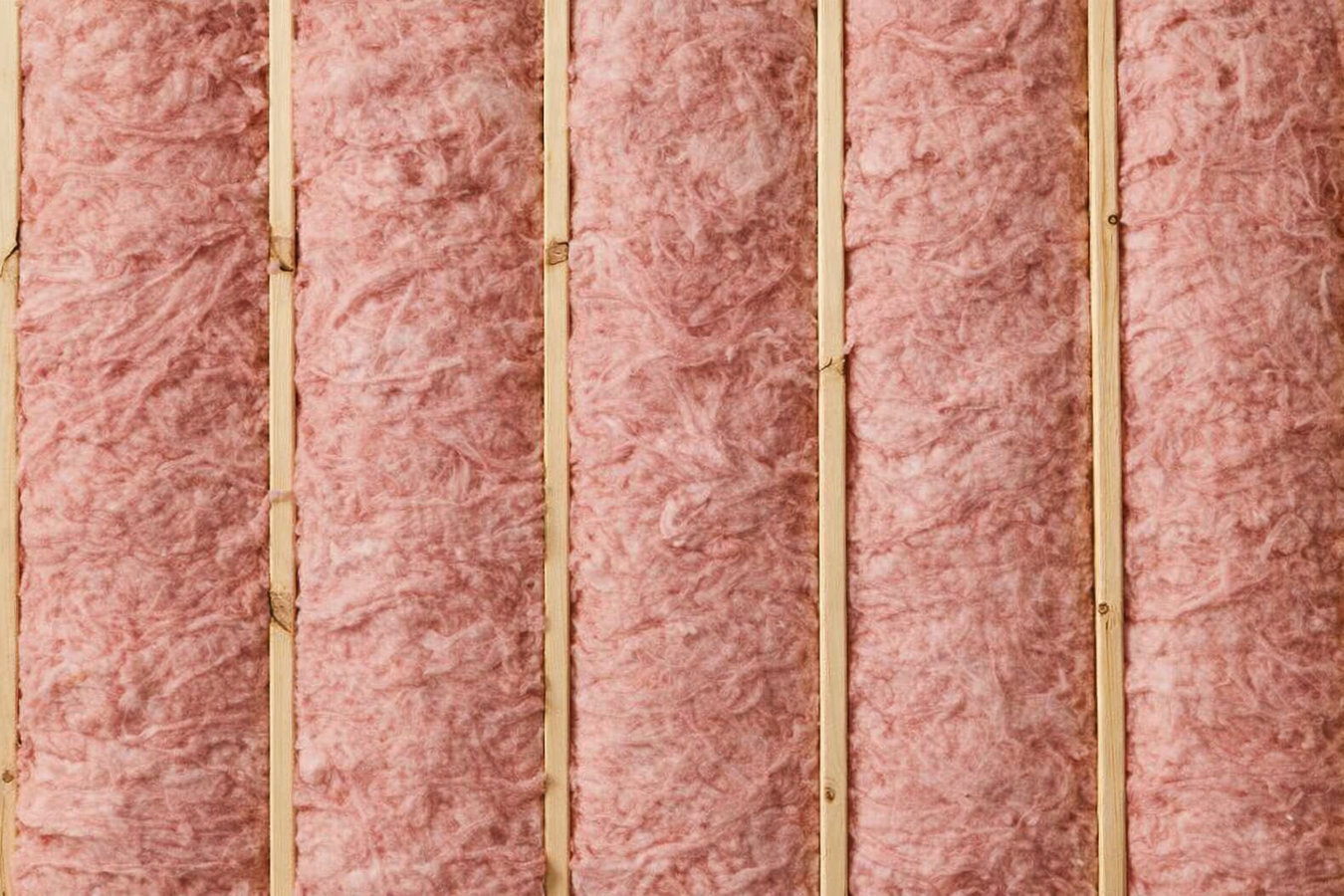
The right installation method depends on whether your walls are open or already finished with drywall. For homes undergoing a renovation or addition where studs are exposed, we install fiberglass or mineral wool batts cut to fit between each stud, which is the most straightforward and cost-effective approach. For walls that are already drywalled and finished - which is most of Hemet's housing stock - we use the drill-and-fill method: small holes are drilled into the wall, insulation is blown in under controlled pressure until the cavity is full, and the holes are patched and textured to match the surrounding surface.
We also pair wall insulation work with air sealing services on the same visit, which is almost always worthwhile. Insulation slows heat transfer through the wall material itself, but it does nothing for the small gaps around outlets, switch plates, and framing joints where air moves freely. Sealing those openings at the same time your walls are insulated gives you the combined benefit of both improvements for a single trip.
For older Hemet homes where walls are being opened as part of a larger remodel, we can also apply blown-in insulation into the open cavities before drywall goes up - a faster and more consistent alternative to cutting batts by hand.
Best for finished homes with drywalled exterior walls - no demolition required, holes patched clean before we leave.
Best for active renovations or additions where studs are exposed and walls have not yet been drywalled.
Best for older Hemet homes where wall cavities may have settled gaps or pest-related voids that need dense material to fill thoroughly.
Required for most Hemet homes - we drill through stucco carefully and patch holes to match your existing exterior texture.
Hemet sits in the San Jacinto Valley at about 1,600 feet elevation, where summer temperatures regularly exceed 105 degrees from June through September. In that climate, your exterior walls are the first and main line of defense between the heat outside and the temperature you are trying to hold inside. A wall with thin or compressed insulation lets that heat conduct through to your living space all afternoon, long after your AC has been running. Unlike coastal Southern California, Hemet also gets cold enough in winter - temperatures drop below freezing on some nights - so proper wall insulation pays dividends in both directions.
A large share of Hemet's homes were built in the 1970s through the early 1990s, when California's energy code required far less insulation in walls than it does today. Many of those homes left certain wall sections partially or entirely empty. Add four or five decades of settling and the occasional pest intrusion, and what was already minimal insulation may now have gaps that let air and heat move almost freely. The U.S. Department of Energy recommends current wall R-values well above what most of these homes were built to, and the gap between what they have and what they need is often substantial.
We work with homeowners throughout the area, including those in San Jacinto, Perris, and Menifee, where the same inland valley climate creates the same challenges for older stucco homes.
We respond within 1 business day. You will get a quick call from our office to ask a few basic questions about your home and book an in-home visit at your convenience.
A technician walks your exterior walls, checks for existing insulation using a probe or thermal camera, and notes any stucco conditions that affect the approach. You receive a written, itemized estimate with no obligation to proceed.
The crew protects your floors and drills small holes in each wall cavity - through stucco if needed - then fills the cavity and patches every hole before leaving. Most single-story Hemet homes are finished in one day.
We walk you through the completed work, show thermal readings if taken, and provide documentation for any applicable SCE rebate. Rebate checks typically arrive within 6 to 10 weeks.
Free estimate, no obligation. Most Hemet wall insulation jobs are finished in a single day.
(951) 430-8634We have drilled and patched stucco walls on homes throughout the San Jacinto Valley. Matching Hemet's common stucco textures is a skill that comes from doing this work here regularly, not from a general insulation background.
You get a written estimate before any work starts, with materials and labor itemized. The number you approve is the number you pay, so you can compare our scope against anyone else before you ever pick up the phone.
We work regularly with Southern California Edison's energy efficiency rebate program and can help you submit paperwork for any rebates your project qualifies for. Hemet homeowners who do not use a participating contractor often leave rebate money unclaimed.
Every estimate we provide lists which walls are being done, what material is being used, and what the holes will look like after patching. You know exactly what you are paying for before any work begins, with no surprises added on installation day.
Hemet has a lot of contractors who will drill a few holes and call it done. We hold to a different standard: every cavity is filled, every patch is textured to match, and every customer leaves with documentation they can use for rebate claims and future home sales. That is what makes a wall insulation job worth paying for.
Close the gaps in your home's envelope that let hot outside air bypass your wall insulation entirely.
Learn moreLoose-fill material that can be added to open wall cavities during a renovation before drywall goes up.
Learn moreBeat the Hemet summer heat before it arrives - spring is the best time to book, and spots fill quickly before June.