
Loading...
Serving Hemet, CA and surrounding areas. (951) 430-8634
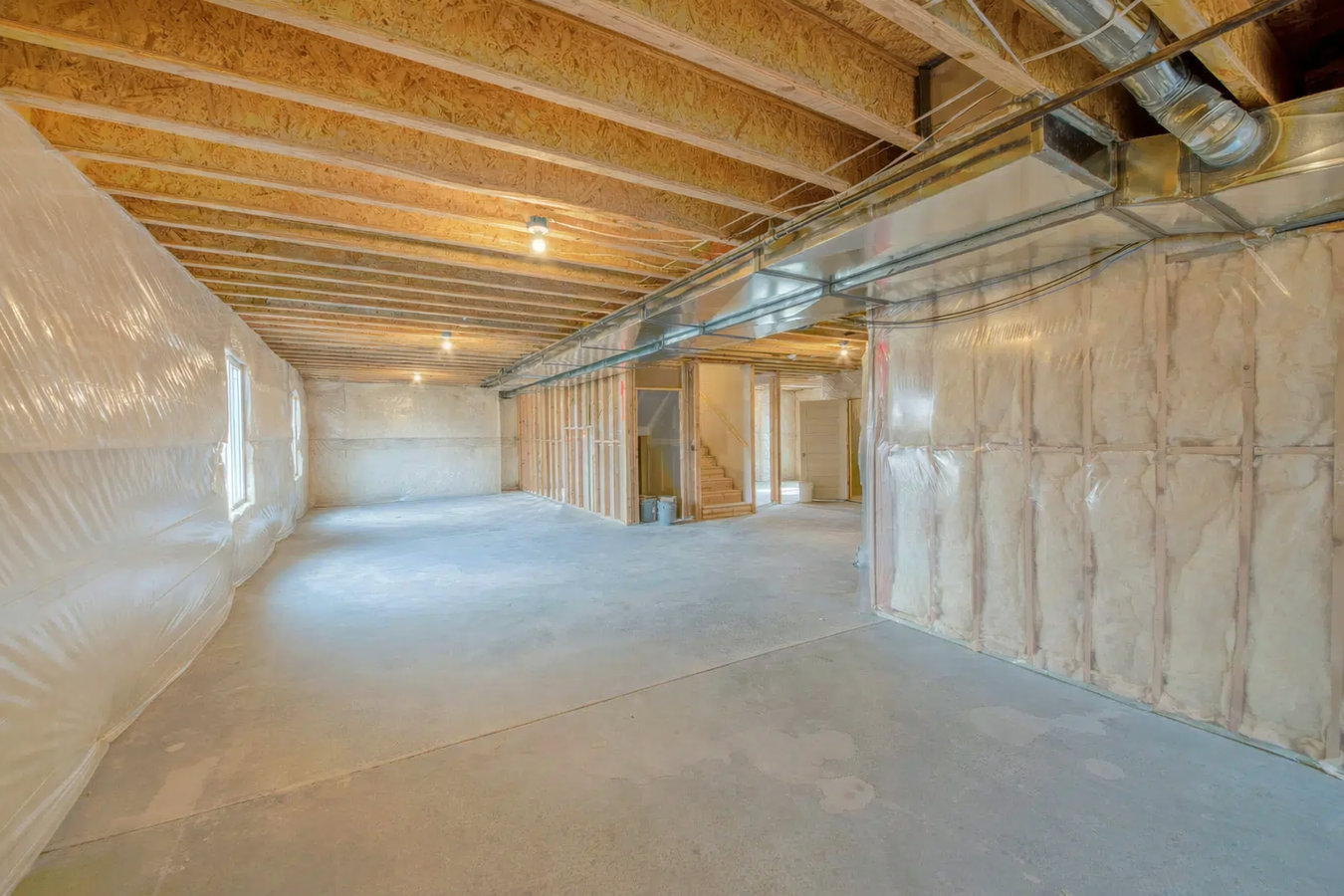
An uninsulated basement lets Hemet's summer heat push straight into your living space. Proper basement insulation keeps floors cooler, reduces AC runtime, and makes the rooms above noticeably more comfortable.
Basement insulation in Hemet slows heat from moving through your basement walls and floor into the living space above - most jobs in a standard single-family home are completed in one to two days, with no major disruption to your daily routine.
Many Hemet homes were built in the 1970s and 1980s, when insulation standards were far below what California requires today. If you have bare concrete walls or compressed fiberglass between floor joists that has been there for 30 or 40 years, it is not doing its job any longer. Basement insulation is one of the most direct ways to improve comfort on the ground floor without touching the rest of the house.
If your home also has uninsulated upper walls, pairing this work with crawl space insulation closes the full thermal loop beneath your living space and typically delivers a more noticeable improvement than either project alone.
If rooms on the main floor - especially those directly above the basement - feel warm and stuffy even when the AC is running, heat coming up from an uninsulated basement is a likely cause. Hemet's triple-digit summers put real pressure on homes with gaps in the thermal envelope, and the basement is one of the most commonly overlooked areas.
Hemet winters are mild, but overnight lows regularly drop into the 30s from December through February. If floors feel noticeably cold underfoot in rooms that sit above the basement, heat is escaping downward through an uninsulated floor assembly. This is one of the clearest signs that basement ceiling insulation is missing or has failed.
If you walk into your basement and see bare concrete block walls, exposed floor joists with no insulation between them, or old fiberglass batts that are falling or visibly compressed, the insulation is either absent or no longer functional. Compressed insulation loses most of its effectiveness and needs to be replaced, not re-stacked.
Even in Hemet's dry climate, heavy rain events can push moisture into older basements. A musty smell after rain, or water stains and condensation on basement walls, signals a moisture issue that needs to be resolved before any insulation goes in. Catching this early prevents much larger problems down the road.
The right approach depends on how you use your basement and what your home needs most. For basements you plan to finish or use as living space, wall insulation is the priority - it treats the concrete or block surfaces that face the outside and turns the basement into a conditioned part of the home. For unfinished basements where the main goal is protecting the floors above, insulating the ceiling between the floor joists is often more cost-effective.
We install spray foam, rigid foam board, and fiberglass batts depending on which approach fits the space and budget. For rim joists - the area where your home's wood framing sits on top of the foundation wall - spray foam is almost always the best choice because it seals air leaks and insulates in a single pass. If your basement also shows signs of moisture, we will flag that before any material goes in.
Homeowners who are also dealing with moisture beneath the home often benefit from combining this work with closed-cell foam insulation, which resists moisture absorption, or from addressing the full perimeter with a crawl space insulation treatment if the home has both spaces.
Best for homeowners who use or plan to finish the basement - treats the concrete or block walls that face the outside.
Best for unfinished basements where the goal is protecting the floors and rooms above - insulates between the floor joists.
Best for homes where air leaks at the foundation-framing joint are driving drafts and heat loss - spray foam seals and insulates at the same time.
Best done before any insulation goes in - identifying and resolving water intrusion protects the new installation and prevents hidden mold.
Hemet sits in the San Jacinto Valley where summer temperatures regularly exceed 100 degrees. An uninsulated basement acts like a heat sink in these conditions, absorbing warmth all day and radiating it upward into your living areas at night, making it harder for your air conditioner to keep up. Insulating the basement walls and rim areas is one of the most direct ways to reduce that heat transfer and bring cooling bills down.
A significant share of Hemet's housing stock dates from the 1970s through the 1990s, when insulation requirements were far lower than they are today. Many homes from that era have little to no basement insulation, and what was originally installed may have settled, compressed, or been disturbed by plumbing and electrical work over the decades. Homeowners in older Hemet neighborhoods often see the most dramatic improvement from a proper basement insulation job because they are starting from the lowest baseline. California's Title 24 energy standards, maintained by the California Energy Commission, now require minimum R-value targets for permitted insulation work - an experienced contractor will make sure your home meets them.
We work with homeowners throughout the area, including those in San Jacinto, Beaumont, and Perris, where the same Inland Empire heat conditions make below-floor insulation just as important as attic coverage.
We respond within 1 business day. A brief phone conversation covers your home's age, basement size, and what is prompting the call - so the estimator arrives prepared.
A technician walks your basement, checks existing insulation condition, looks for moisture or gaps around pipes and wiring, and gives you a written estimate. No obligation to proceed.
You move stored items away from the walls and floor work areas before the crew arrives. That is the main thing you are responsible for - the crew handles materials, setup, and cleanup from there.
Most Hemet basement jobs finish in one day. Before the crew leaves, we walk you through the finished coverage so you can see the work yourself - consistent, gap-free installation across every treated surface.
Free estimate, written quote before any work starts, no obligation.
(951) 430-8634Every project starts with a free written estimate that breaks down materials and labor, so you know the full price before we begin. The number you approve is the number you pay, with no charges added after the crew arrives.
Permitted basement insulation work in Hemet is inspected by the City of Hemet Building Division, which means someone independent verifies the job meets California energy code. We manage the permit process so you do not have to navigate city paperwork.
We work throughout the San Jacinto Valley and surrounding Inland Empire cities - from Hemet and San Jacinto to Moreno Valley and Riverside. Local crews mean faster scheduling and no travel surcharges.
You receive a line-item written quote before the crew picks up a tool. If anything unexpected comes up during the assessment, we tell you then - not after the work is underway. The number on the estimate is the number on the invoice.
Basement insulation is not glamorous work, but it makes a real difference on a hot Hemet summer day. We give you a clear picture of what is needed, handle the permit process, and walk you through the finished job - so you know exactly what was done and why before we leave your property.
Additional guidance on basement insulation types and R-value requirements is available from the U.S. Department of Energy Energy Saver resource.
High-density spray foam that resists moisture and delivers the highest R-value per inch - a strong option for basement walls in Hemet's climate.
Learn moreInsulation for homes with a crawl space beneath the floor - seals the perimeter and floor joists to close the full thermal loop under your living area.
Learn moreHemet summers hit fast. Schedule your free on-site assessment now and lock in your installation date before cooling season fills our calendar.